Exploring Visual Arts In Contemporary Visual
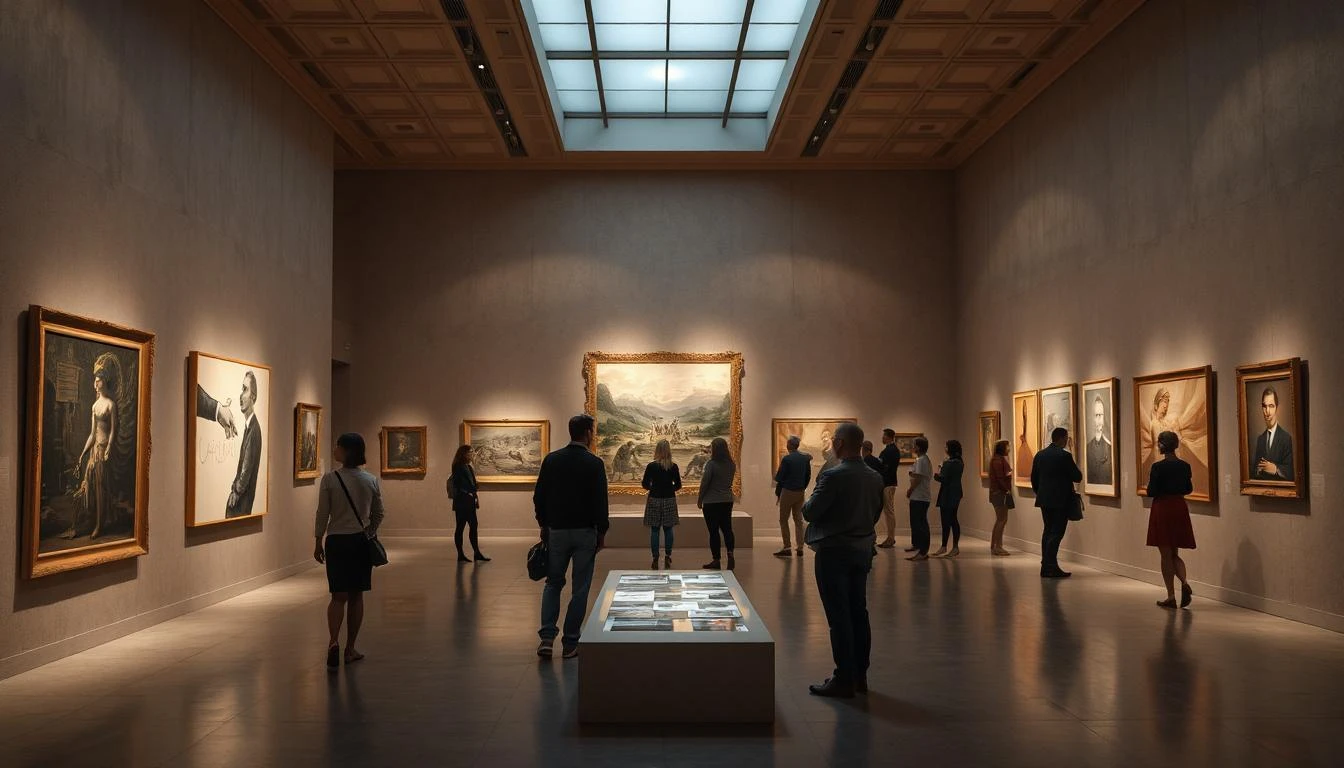
Art is no longer a quiet observer in museums; it is a living pulse moving through screens, cities, and global marketplaces. The way people experience visuals today has shifted into something faster, more interactive, and deeply connected to digital culture. Every swipe, click, and scroll becomes part of a larger visual conversation shaping modern identity.
In this evolving landscape, contemporary visual arts stand at the center of cultural transformation. They reflect how people create meaning through imagery in a world driven by digital platforms, online marketplaces, and global creative exchange. What once belonged to physical galleries now thrives in decentralized ecosystems where artists and audiences interact instantly across borders.
Understanding Contemporary Visual Arts
The modern art world is no longer defined by boundaries or traditional gatekeepers. Instead, it operates like a living network of ideas, constantly reshaped by technology, culture, and global interaction. To understand it is to understand how humanity now communicates visually in real time.
contemporary visual arts are shaping a new era of storytelling where creativity merges with technology, commerce, and cultural identity. From digital galleries to NFT platforms, the global marketplace for visual expression is expanding rapidly, offering artists unprecedented visibility and audiences limitless access.
The rise of creative visual expression has also redefined how value is assigned to art. As Paul Gardner once stated, “Art today is no longer confined to the studio, it is distributed across the digital bloodstream of society.” This shift highlights how creativity now flows through interconnected systems rather than isolated spaces.
Evolution of visual expression in modern culture
Visual expression has evolved from static paintings into dynamic, interactive experiences. Cultural fusion, globalization, and digital accessibility have created a hybrid art form where tradition meets innovation. Artists now draw inspiration from multiple cultures simultaneously, producing works that feel globally relevant yet personally intimate.
Search patterns like how contemporary visual arts influence digital marketplaces reveal a growing curiosity about the intersection between culture and commerce. This evolution shows that art is not only aesthetic but also economic and communicative.
Influence of technology on artistic creativity
Technology has become the backbone of modern creativity. Artificial intelligence, augmented reality, and immersive installations are no longer experimental, they are mainstream tools for artists. These innovations expand what is possible in visual storytelling.
Digital platforms such as online art marketplaces and blockchain-based galleries allow creators to monetize and distribute work globally. LSI terms like digital art ecosystem, NFT marketplaces, and immersive media art highlight how deeply technology is embedded in today’s creative industries.
Visual arts as cultural communication
Visual art has always communicated meaning beyond words, but today it operates on a global scale. A single digital artwork can spark conversations across continents within seconds. This immediacy transforms art into a powerful cultural bridge.
Popular Forms Of Contemporary Visual Arts
The diversity of modern visual expression reflects a world that is more connected than ever. Artists are no longer limited to one medium; instead, they explore hybrid formats that combine technology, storytelling, and spatial experience.
contemporary visual arts now exist in multiple forms, from digital illustrations to immersive installations, all contributing to a fast-growing global creative marketplace. This shift has made art more accessible, more commercial, and more interactive.
The expansion of creative visual expression has also fueled new industries, especially in digital design, entertainment, and virtual experiences. As curator Helena Morris explains, “We are witnessing the democratization of imagination, every screen is now a canvas.”
Digital illustration and multimedia art
Digital illustration has become a dominant force in global creative industries. Artists use advanced tools to create visuals that blend realism, abstraction, and motion. These works often appear in advertising, gaming, and virtual environments.
Search trends like best platforms for buying digital artwork online reflect the growing demand for digital ownership and creative investment.
Photography and visual storytelling
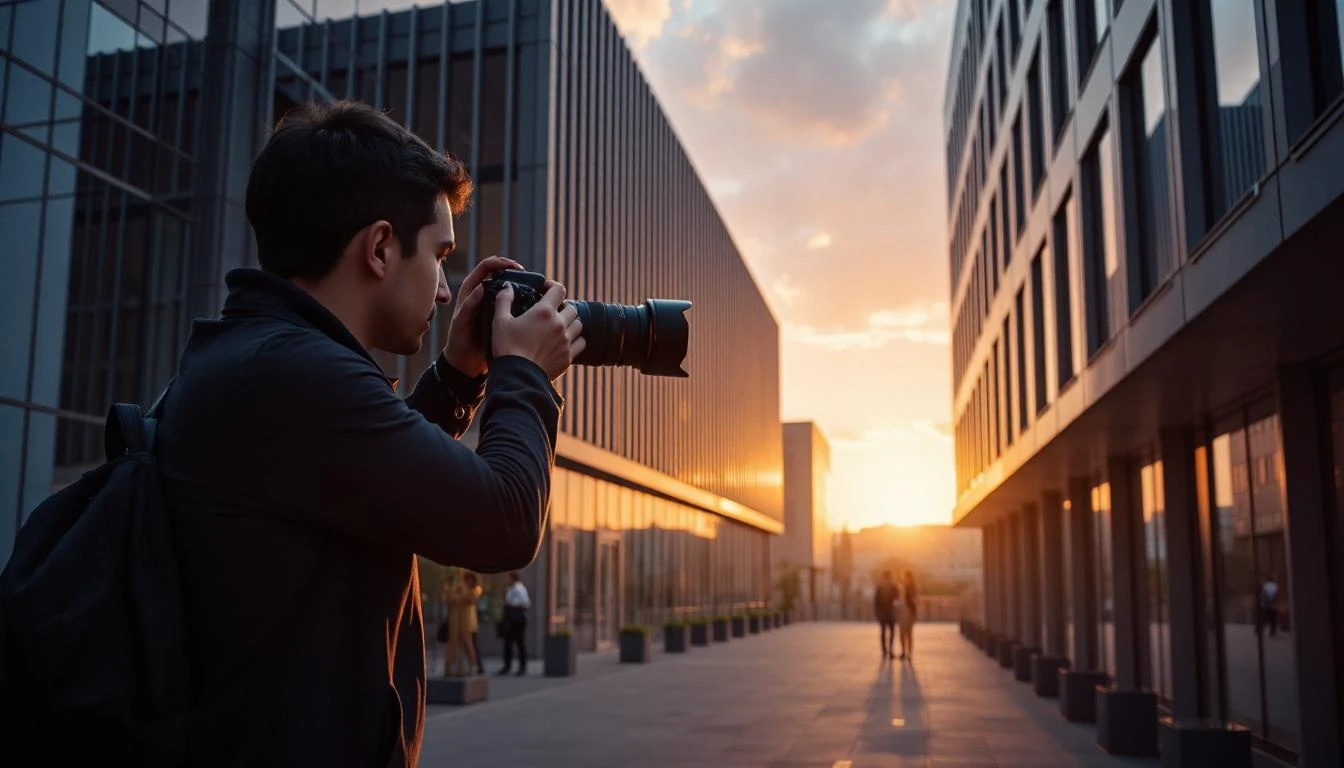
Photography continues to evolve as a storytelling medium that captures both reality and interpretation. Modern photographers use composition, light, and digital editing to shape narratives that speak to global audiences.
LSI keywords such as visual storytelling techniques, documentary photography trends, and aesthetic composition demonstrate its enduring relevance.
Street art and modern installations
Street art has transitioned from underground expression to global recognition. Cities across the world now feature large-scale murals and interactive installations that redefine public space.
The Impact Of Visual Arts On Society
Art today does more than decorate, it influences thought, behavior, and innovation. In the digital age, visual culture shapes how societies perceive themselves and the world around them.
contemporary visual arts play a critical role in shaping social narratives, especially through digital platforms where ideas spread instantly. They also influence industries far beyond art, including technology, education, and marketing.
The rise of creative visual expression has encouraged new forms of collaboration between artists, developers, and global communities. It has turned creativity into a shared language that crosses cultural and linguistic barriers.
Inspiring creativity and innovation
Visual art fuels innovation by encouraging new ways of thinking. Designers, engineers, and entrepreneurs often draw inspiration from artistic principles such as balance, contrast, and abstraction.
Long-tail keywords like impact of digital visual arts on innovation ecosystems show how deeply art is integrated into modern problem-solving.
Reflecting social and cultural changes
Art mirrors society in real time. Today’s visual works often address themes like climate change, identity, and digital ethics. These narratives help audiences interpret complex global issues through visual language.
Building global artistic communities
Digital platforms have eliminated geographical barriers, allowing artists to collaborate globally. Online galleries and marketplaces now serve as hubs for cultural exchange and economic opportunity.
Discover Creativity Through Contemporary Visual Arts
Engaging with modern visual culture means stepping into an ever-changing creative ecosystem. It is no longer about passive observation but active participation in shaping meaning, value, and expression.
As technology continues to evolve, the global marketplace for art becomes more decentralized, giving rise to new opportunities for creators and collectors alike. The boundaries between creator and audience are fading, replaced by interactive participation.